Metrics and Targets
Aggregated Stewardship Statistics for External Fund Managers
Measuring EFM's Engagement and Voting Activities
In line with MAS' stewardship principles of Accountability and Progress, MAS has been monitoring and measuring its External Fund Managers ("EFMs") Environmental, Social and Governance ("ESG") engagement and voting efforts.MAS' EFMs actively vote and engage MAS' portfolio companies on climate-related matters, for instance reduction in greenhouse gas ("GHG") emissions, increase in renewable energy usage, and environmental risk management. MAS' EFMs have ramped up their stewardship efforts and capabilities in recent years, with some establishing dedicated stewardship teams to drive their voting and engagement efforts. Between calendar year 2020 and 2022, the number of resolutions they voted on increased by 25%, while the number of engagements increased by 63%.
Levels of Voting and Engagement Activity
Chart 1 and Chart 2 further illustrate this increase in voting activity and engagements over the past three years.
Chart 1: Total resolutions voted on by MAS' EFMs increased by 25% between 2020 and 2022
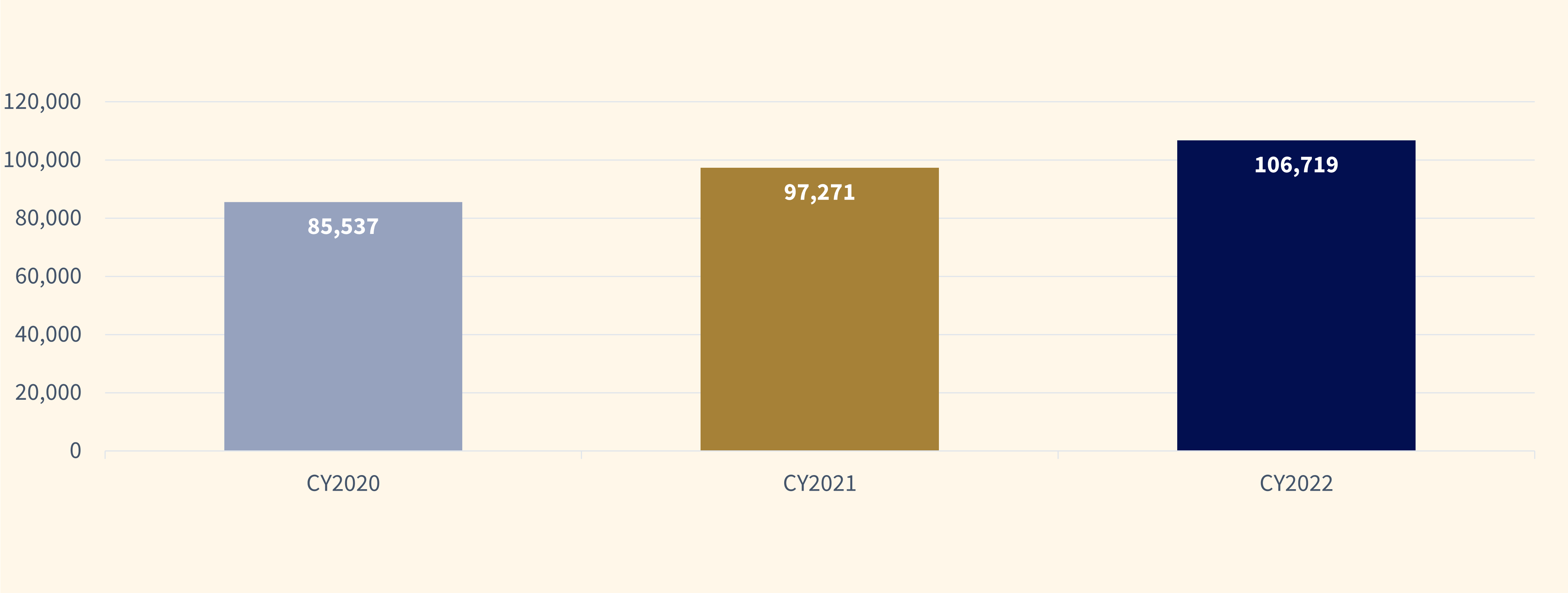
Chart 2: Overall number of shareholder engagements with portfolio companies undertaken by MAS' EFMs increased by 63% between 2020 to 2022

Further Breakdown of Voting Statistics
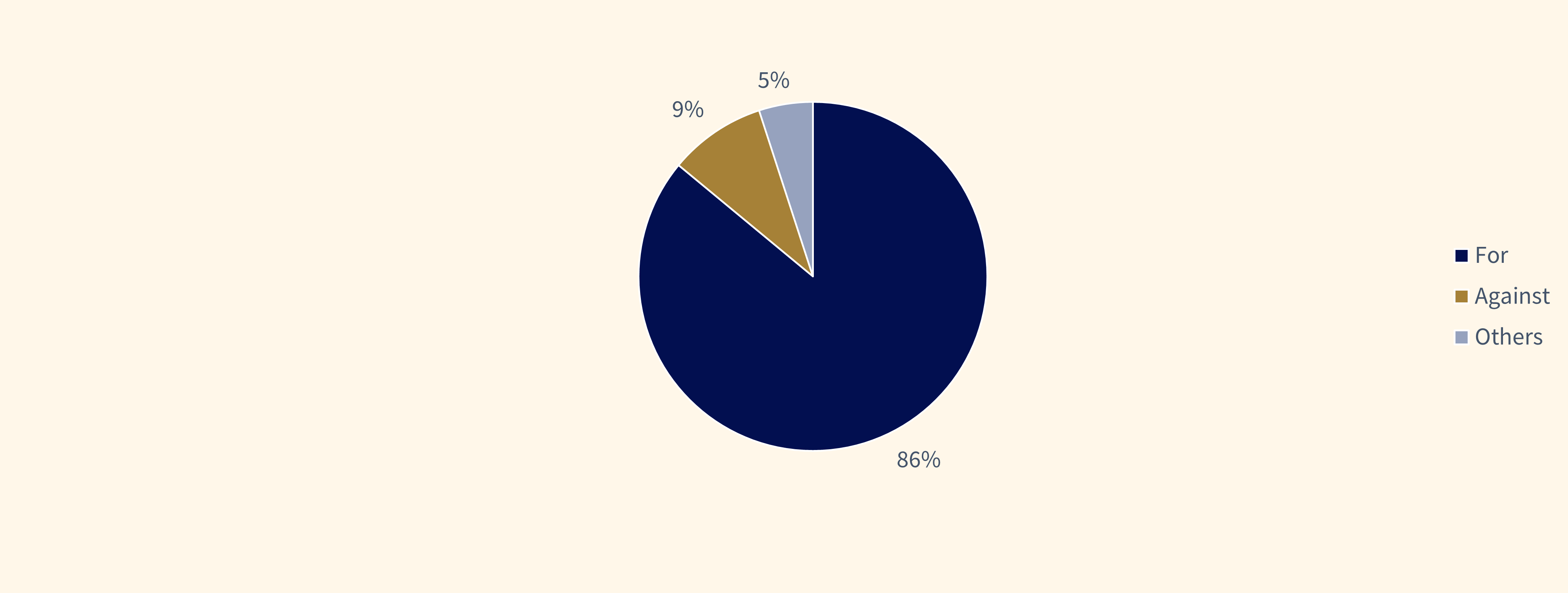
MAS' EFMs often vote in line with management recommendations for the portfolio companies they are invested in, but do express their difference in opinion through dissenting votes as highlighted in Chart 3.Chart 3: MAS' EFMs actively participated in voting on resolutions and voted in line with management 86% of the time, with 9% contrary to management recommendations in 2022
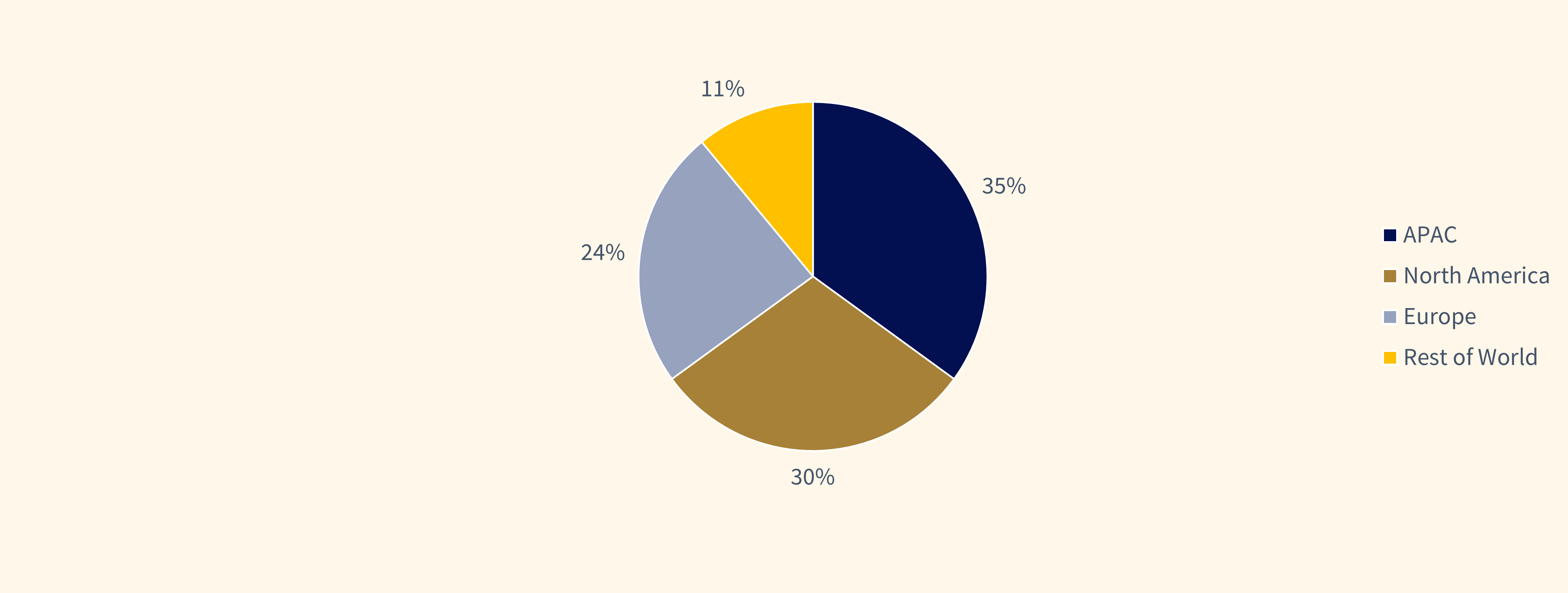
In terms of the geographical split of meetings, Asia Pacific and North America made up the highest concentration, with 35% and 30% of total resolutions voted on by MAS' EFMs respectively in 2022 as highlighted in Chart 4 below.
Chart 4: MAS' EFMs voted on resolutions spanning a large variety of geographies in 2022 (%)
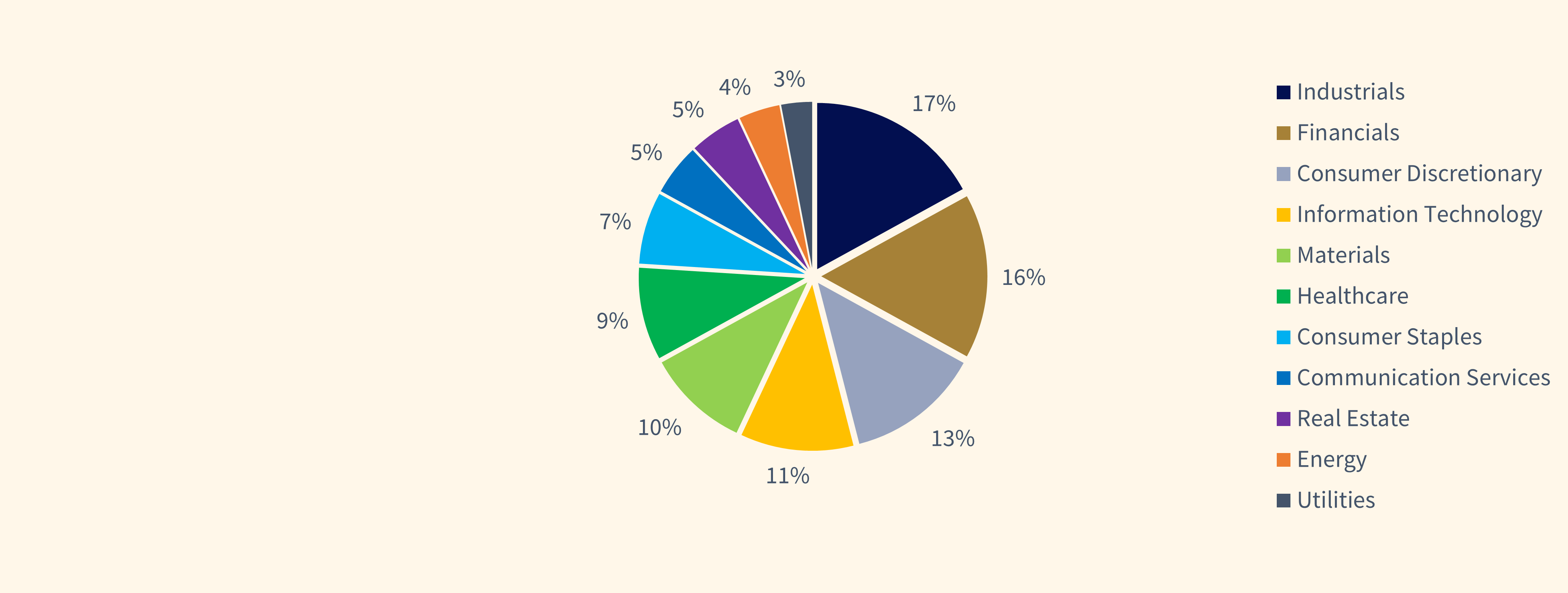
The largest proportion of votes were in the Industrials and Financials sectors, at 17% and 16% respectively for the same period, as shown in Chart 5.
Chart 5: MAS' EFMs voted on resolutions spanning a large variety of industries in 2022 (%)
Given the significance of climate related financial risks (both physical and transition risks), MAS' EFMs include considerations relating to environmental issues in their stewardship efforts, in particular climate change.
The growing attention and focus by investors on climate-related issues have spurred the increase in the number of environment-related resolutions by 82% between calendar year 2020 and 2022. Management, investors, and other stakeholders alike are keen to gauge and seek shareholders’ support on issues concerning company strategies, plans, and disclosures. MAS recognises the important role investors play in this process by assessing the merits of the proposals to enhance climate resilience and enable green and climate-positive outcomes.
In line with the stewardship principles that MAS has set out, MAS' EFMs have been voting on environmental resolutions. This is important as MAS' EFMs’ votes signal to companies that investors care about their environmental impact and expect them to take appropriate action. Through MAS' EFMs, MAS can also help shift the investment landscape towards sustainable investments, which can help reduce the risks associated with climate change and promote a more resilient global economy.
MAS' EFMs also vote on governance-related resolutions, which include encouraging companies to improve their corporate governance standards, especially the level of transparency and accountability in climate risk management.
Further Breakdown of Engagement Statistics
Engagement is another essential way that investors can make a difference.
- Through engagements, MAS' EFMs can communicate investor concerns and expectations to companies, promote positive change through encouraging the adoption of sustainable practices, and protect client investments from potential risks. Between 2020 and 2022, MAS' EFMs engaged companies across a total of over 26,000 topics.
- Engagement can take many forms, such as writing letters to the board, meeting with company executives, and engaging through investor-led coalitions. In 2022, 98% of MAS' EFMs’ engagements were done directly, while the remaining were executed through collaborative efforts with other investors. The high level of direct engagement reflects the commitment from MAS' EFMs who have built significant capabilities to engage companies meaningfully on material ESG issues.
- In terms of the geographical split of MAS' engagements, North America and Europe made up the highest concentration, making up 61% and 21% of total engagements by MAS' EFMs respectively in 2022 as highlighted in Chart 6.
Chart 6: MAS' EFMs undertook engagements spanning a large variety of geographies in 2022 (%)
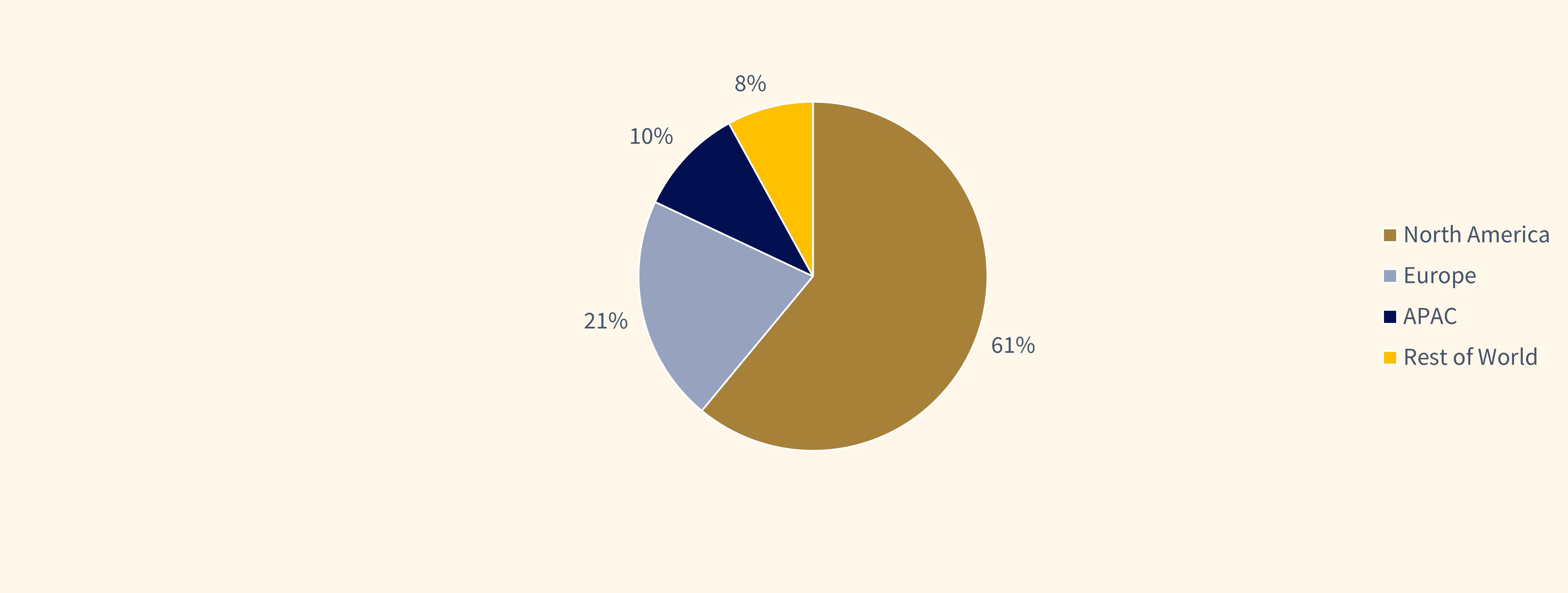
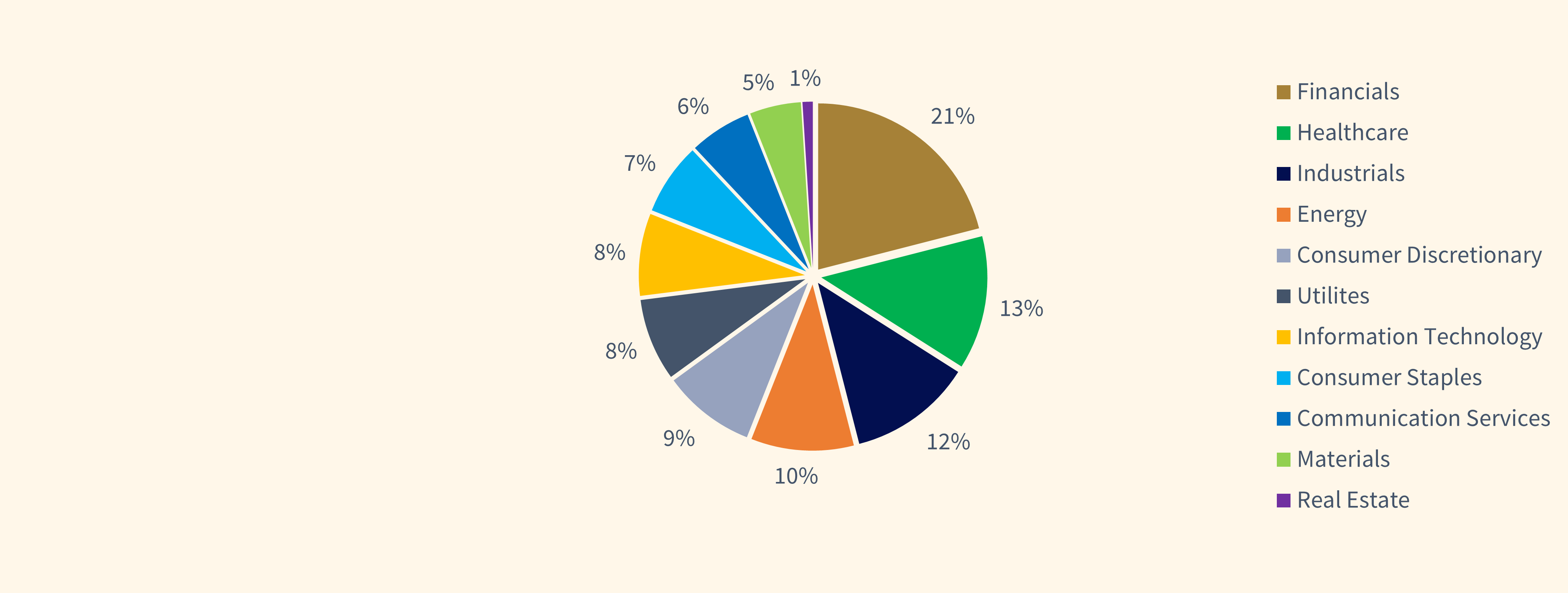
Chart 7: MAS' EFMs undertook engagements spanning a large variety of sectors in 2022 (%)
MAS will continue to monitor its EFMs' efforts in voting and engagement and the translation into actual results.
Stewardship Case Studies
Stewardship takes conviction, commitment, and time. Starting from the Sustainability Report 2021/2022, MAS has highlighted some examples of how MAS' External Fund Managers ("EFMs") have used engagement and voting to push for stronger climate commitments, clearer transition plans and better climate disclosures. The overall engagement statistics provide a sense of the scale of stewardship activities. The case studies provided below give a flavour of how these efforts have made a difference in each of the portfolio companies.
Case Study 1 - Engagement on Energy Transition
One of MAS' EFMs is an investor in an Australian oil and gas company. The EFM consistently engaged the company’s senior management to encourage greater transparency in the company’s energy transition plan, and to understand its progress in decarbonisation.
As part of its 2022 climate strategy, the company disclosed its commitment to prioritise using its assets more efficiently to reduce emissions over addressing its emissions with offsets. The company also made progress on carbon capture and storage using old gas fields, and expects to sequester several million tons of CO2 per annum in the long term. The company has also set aside funds to invest in new energy projects. Potential investments under study include the development of green hydrogen in the US, green ammonia in New Zealand, and blue hydrogen in Australia. It also invested in a scalable solar project to store energy as heat, complementing or potentially replacing a battery system.
The EFM believes that the company is moving in the right direction and will continue to support it in stepping up its pace of transition.
Case Study 2 - Engagement on Energy Transition
One of MAS' EFMs is an investor in a Chinese manufacturer of industrial automation products. The EFM has been encouraging the company to set targets for a peak in its carbon emissions, and to increase the percentage of renewables as a percentage of its total energy consumption. The EFM has also been engaging with the company on setting reduction targets for hazardous waste emissions.
Following these engagements, the company committed to increase its renewables share of energy consumption. The company has also set a target to reduce its hazardous waste emissions.
Case Study 3 - Engagement on Carbon/ESG Disclosure
One of MAS' EFMs is an investor in a global technology company. The EFM has been in continuous dialogue with the company on the business. After the company’s second ESG report was published, the EFM encouraged the company to include ESG goals and initiatives across both environmental and social topics in its ESG report, and to provide climate-related disclosures on CDP’s (previously known as the Carbon Disclosure Project) platform.
The company was receptive and expressed its willingness to continue enhancing its environmental disclosures. The company eventually submitted its 2022 CDP climate questionnaire and included a goal to reduce Scope 1 and Scope 2 GHG emissions by 38% in 2030 in its most recent ESG report.
Scope 1 and 2 WACI of the Equities and Corporate Bonds Portfolios
Measuring the Emissions Profile of MAS' Equities and Corporate Bonds Portfolio
The carbon emissions profile of the equities and corporate bonds portfolios are reported using Weighted Average Carbon Intensity ("WACI").- WACI measures carbon intensity (i.e. the CO2 equivalent emissions per unit of revenues) for each of the companies in the portfolio, weighted by the relative size of the investments in the respective portfolios.
- Therefore, WACI measures the equities portfolio’s exposure based on the carbon efficiency of the underlying companies, making it a useful indicator to assess transition risks relative to benchmarks and across portfolios managed by EFMs.
In measuring the carbon intensity of MAS' equities and corporate bonds portfolio, MAS only considered Scope 1 and Scope 2 emissions.
- Scope 1 and 2 emissions represent the direct emissions of greenhouse gas controlled and produced by the company and the indirect emissions of greenhouse gas from the consumption of purchased electricity, heat or steam by the company respectively.
- MAS does not include Scope 3 emissions, which refer to all other indirect emissions occurring in the value chain of the company as (i) the level of reporting of Scope 3 emissions by companies remains low today, therefore requiring a larger degree of estimation; and (ii) the inclusion of Scope 3 emissions would result in double counting when emissions statistics are aggregated at the portfolio level.
Measuring MAS' Equities Portfolio WACI Against Market Benchmarks
The WACI for both developed markets and emerging markets equities portfolios and their respective market benchmarks decreased over the year.
- The observed trend of a lower average carbon intensity of companies in the benchmark, especially for the most carbon intensive sectors, for example, energy, materials and utilities, contributed to the slightly lower benchmark and portfolio WACI. The downward trend, especially if sustained, provides optimism that companies are taking actions as part of meeting climate commitments by switching to greener renewable sources of energy or finding cost-effective ways of reducing operational emissions.
- Both the Climate Transition Programme ("CTP") and the exclusion of thermal coal mining and oil sand companies implemented during the course of FY2022 further helped to tilt the portfolio towards less carbon-intensive companies relative to the benchmark.
Chart 8: Equities Portfolio WACI (in tonnes CO2e/ USD million of revenues)

Measuring MAS’ Corporate Bonds Portfolio Against Market Benchmark
Corporate bonds are relatively less impacted by transition risks than equities, since bonds generally have shorter, fixed tenures, and corporate bonds investors bear less risk as creditors sit higher up the capital structure relative to equity shareholders. MAS has expanded the scope of its monitoring and reporting of portfolio emissions to include corporate bonds portfolio since 2022.
WACI for the corporate bonds portfolio increased over the year despite benchmark WACI coming down slightly.
- This arose from the investments by MAS' EFMs in the bonds of companies in the utilities sector with good investment prospects and, at the same time, credible transition plans. Although these companies are currently more carbon intensive, they have made net zero commitments that cover almost all of the GHG emissions from their operations, significantly reduced the use of coal in the power capacity mix over time, and announced plans that will reduce this further.
The WACI for the corporate bonds portfolio continues to be lower than the benchmark, despite the narrowing difference. The WACI for the portfolio as at end-March 2023 was 192 tCO2e/US$’m.
- The lower WACI was due to MAS’ portfolio construction framework which screens out debt securities with smaller issuance sizes, which are also in more carbon intensive sectors. As a result, the portfolio has a lower exposure to debt securities issued by companies in carbon intensive sectors relative to the market benchmark.
Chart 9: Corporate Bonds Portfolio WACI(in tonnes CO2e/USD million of revenues)

Monitoring Development of Forward-Looking Metrics for Portfolio Analysis
MAS continues to monitor the development and explore the use of forward-looking metrics that can be incorporated into its portfolio analysis and actions. Similarly, MAS has observed instances where MAS' External Fund Managers ("EFMs") have explored the use of forward-looking metrics to support investment analysis when integrating climate change considerations into their investment processes.
However, issues with portfolio coverage and nascency of climate-related disclosures, and in particular, comprehensive climate targets and transition plans, continue to plague analysis at the total portfolio level, with possible use cases likely limited to sectoral or company level analyses.
Some of these metrics, and many of which are still under development and in need of harmonisation on a global scale, include, amongst others, target setting indicators, company scores for transition readiness and climate risk management, revenues aligned with green and transition taxonomies, temperature alignment benchmarks and implied temperature rise, and climate value-at-risk.